Deprecated: Elementor\Core\Files\CSS\Post::add_controls_stack_style_rules(): Implicitly marking parameter $all_controls as nullable is deprecated, the explicit nullable type must be used instead in /home/youthagripreneur/public_html/wp-content/plugins/elementor/core/files/css/post.php on line 221
Deprecated: Elementor\Core\Files\CSS\Base::add_controls_stack_style_rules(): Implicitly marking parameter $all_controls as nullable is deprecated, the explicit nullable type must be used instead in /home/youthagripreneur/public_html/wp-content/plugins/elementor/core/files/css/base.php on line 550
Deprecated: Elementor\Core\Files\CSS\Base::get_active_controls(): Implicitly marking parameter $controls as nullable is deprecated, the explicit nullable type must be used instead in /home/youthagripreneur/public_html/wp-content/plugins/elementor/core/files/css/base.php on line 912
Deprecated: Elementor\Core\Files\CSS\Base::get_active_controls(): Implicitly marking parameter $settings as nullable is deprecated, the explicit nullable type must be used instead in /home/youthagripreneur/public_html/wp-content/plugins/elementor/core/files/css/base.php on line 912
Deprecated: Elementor\Core\Files\CSS\Base::get_style_controls(): Implicitly marking parameter $controls as nullable is deprecated, the explicit nullable type must be used instead in /home/youthagripreneur/public_html/wp-content/plugins/elementor/core/files/css/base.php on line 940
Deprecated: Elementor\Core\Files\CSS\Base::get_style_controls(): Implicitly marking parameter $settings as nullable is deprecated, the explicit nullable type must be used instead in /home/youthagripreneur/public_html/wp-content/plugins/elementor/core/files/css/base.php on line 940
Deprecated: Elementor\Core\DynamicTags\Dynamic_CSS::add_controls_stack_style_rules(): Implicitly marking parameter $all_controls as nullable is deprecated, the explicit nullable type must be used instead in /home/youthagripreneur/public_html/wp-content/plugins/elementor/core/dynamic-tags/dynamic-css.php on line 104
Deprecated: Elementor\Stylesheet::add_rules(): Implicitly marking parameter $query as nullable is deprecated, the explicit nullable type must be used instead in /home/youthagripreneur/public_html/wp-content/plugins/elementor/includes/stylesheet.php on line 141
Deprecated: Using null as an array offset is deprecated, use an empty string instead in /home/youthagripreneur/public_html/wp-includes/class-wp-block-type-registry.php on line 168
Deprecated: Using null as an array offset is deprecated, use an empty string instead in /home/youthagripreneur/public_html/wp-includes/class-wp-block-type-registry.php on line 168
Deprecated: Using null as an array offset is deprecated, use an empty string instead in /home/youthagripreneur/public_html/wp-includes/class-wp-block-type-registry.php on line 168
Deprecated: Using null as an array offset is deprecated, use an empty string instead in /home/youthagripreneur/public_html/wp-includes/class-wp-block-type-registry.php on line 168
Deprecated: Using null as an array offset is deprecated, use an empty string instead in /home/youthagripreneur/public_html/wp-includes/class-wp-block-type-registry.php on line 168
Deprecated: Using null as an array offset is deprecated, use an empty string instead in /home/youthagripreneur/public_html/wp-includes/class-wp-block-type-registry.php on line 168
Deprecated: Using null as an array offset is deprecated, use an empty string instead in /home/youthagripreneur/public_html/wp-includes/class-wp-block-type-registry.php on line 168
Deprecated: Elementor\Includes\Elements\Container::__construct(): Implicitly marking parameter $args as nullable is deprecated, the explicit nullable type must be used instead in /home/youthagripreneur/public_html/wp-content/plugins/elementor/includes/elements/container.php on line 42
Deprecated: Elementor\Includes\Widgets\Traits\Button_Trait::render_button(): Implicitly marking parameter $instance as nullable is deprecated, the explicit nullable type must be used instead in /home/youthagripreneur/public_html/wp-content/plugins/elementor/includes/widgets/traits/button-trait.php on line 516
Deprecated: Elementor\Includes\Widgets\Traits\Button_Trait::render_text(): Implicitly marking parameter $instance as nullable is deprecated, the explicit nullable type must be used instead in /home/youthagripreneur/public_html/wp-content/plugins/elementor/includes/widgets/traits/button-trait.php on line 635


Deprecated: Using null as an array offset is deprecated, use an empty string instead in /home/youthagripreneur/public_html/wp-includes/class-wp-block-type-registry.php on line 168
Deprecated: Using null as an array offset is deprecated, use an empty string instead in /home/youthagripreneur/public_html/wp-includes/class-wp-block-type-registry.php on line 168
Deprecated: Using null as an array offset is deprecated, use an empty string instead in /home/youthagripreneur/public_html/wp-includes/class-wp-block-type-registry.php on line 168
Deprecated: Using null as an array offset is deprecated, use an empty string instead in /home/youthagripreneur/public_html/wp-includes/class-wp-block-type-registry.php on line 168
Deprecated: Using null as an array offset is deprecated, use an empty string instead in /home/youthagripreneur/public_html/wp-includes/class-wp-block-type-registry.php on line 168
Deprecated: Using null as an array offset is deprecated, use an empty string instead in /home/youthagripreneur/public_html/wp-includes/class-wp-block-type-registry.php on line 168
Deprecated: Using null as an array offset is deprecated, use an empty string instead in /home/youthagripreneur/public_html/wp-includes/class-wp-block-type-registry.php on line 168
Deprecated: Elementor\Includes\Elements\Container::__construct(): Implicitly marking parameter $args as nullable is deprecated, the explicit nullable type must be used instead in /home/youthagripreneur/public_html/wp-content/plugins/elementor/includes/elements/container.php on line 42
Deprecated: Elementor\Includes\Widgets\Traits\Button_Trait::render_button(): Implicitly marking parameter $instance as nullable is deprecated, the explicit nullable type must be used instead in /home/youthagripreneur/public_html/wp-content/plugins/elementor/includes/widgets/traits/button-trait.php on line 516
Deprecated: Elementor\Includes\Widgets\Traits\Button_Trait::render_text(): Implicitly marking parameter $instance as nullable is deprecated, the explicit nullable type must be used instead in /home/youthagripreneur/public_html/wp-content/plugins/elementor/includes/widgets/traits/button-trait.php on line 635
Deprecated: WpOrg\Requests\Cookie::parse_from_headers(): Implicitly marking parameter $origin as nullable is deprecated, the explicit nullable type must be used instead in /home/youthagripreneur/public_html/wp-includes/Requests/src/Cookie.php on line 474


Deprecated: Using null as an array offset is deprecated, use an empty string instead in /home/youthagripreneur/public_html/wp-includes/class-wp-block-type-registry.php on line 168
Deprecated: Using null as an array offset is deprecated, use an empty string instead in /home/youthagripreneur/public_html/wp-includes/class-wp-block-type-registry.php on line 168
Deprecated: Using null as an array offset is deprecated, use an empty string instead in /home/youthagripreneur/public_html/wp-includes/class-wp-block-type-registry.php on line 168
Deprecated: Using null as an array offset is deprecated, use an empty string instead in /home/youthagripreneur/public_html/wp-includes/class-wp-block-type-registry.php on line 168
Deprecated: Using null as an array offset is deprecated, use an empty string instead in /home/youthagripreneur/public_html/wp-includes/class-wp-block-type-registry.php on line 168
Deprecated: Using null as an array offset is deprecated, use an empty string instead in /home/youthagripreneur/public_html/wp-includes/class-wp-block-type-registry.php on line 168
Deprecated: Using null as an array offset is deprecated, use an empty string instead in /home/youthagripreneur/public_html/wp-includes/class-wp-block-type-registry.php on line 168
In August 2012, the institute convened young people at its headquarters in Ibadan, Nigeria, and launched this innovative agribusiness incubation program. Participants received technical expertise, training, and mentorship, which opened their eyes to various business opportunities across agricultural value chains. Within a year, these young entrepreneurs were managing enterprises focused on cassava, maize, soybean, banana, vegetables, fish, and swine while also exploring value addition and food processing.
After an 18-month incubation period, participants developed bankable business plans and accessed loans from commercial banks to establish their independent agribusiness enterprises. Many, including young women, have since become owners of successful agribusiness firms.
In collaboration with partners and through engagement with stakeholders at all levels, IYA is also breaking stereotypes and accelerating women’s economic advancement in the agricultural sector through training, access to credit, and market opportunities. It has helped many young women overcome the economic, cultural, religious, and social barriers to accelerating their progress.
Beneficiaries of the program, such as the CEO of Abiqueeneth Ventures, Queen Opute, have established successful poultry and catfish businesses in Epe, Lagos. Hassana Robert, another beneficiary, runs a poultry business in Zaria, Kaduna, and plans to expand into selling chicken dung as manure for farms.
One beneficiary shared her story of losing her business capital and incurring debts due to the COVID-19 pandemic, which led to the loss of 2000 birds. Through IYA, she recovered, and she expressed gratitude for the support. “IITA has really touched our lives and inspired us. In the future, I hope to have a foundation like this to help women stand on their own and become their own boss,” she said.
By providing training, mentorship, coaching, and access to finance and markets, IYA has significantly increased women’s participation in agriculture, with 70% of participants being women. This has created a sustainable workforce that contributes to food security.
At the recent International Women’s Day celebration in IITA, the Agribusiness Hub Manager at IFAD-Agrihub, Waheed Oni, noted that in addition to investing in women agripreneurs to enhance their livelihoods, the IYA programs have mostly been led by women in the last ten years. “The initiative has 87 staff across seven countries in Africa with 51% women, and 388,504 beneficiaries of the program with 47% women,” he said.

Deprecated: Using null as an array offset is deprecated, use an empty string instead in /home/youthagripreneur/public_html/wp-includes/class-wp-block-type-registry.php on line 168
Deprecated: Using null as an array offset is deprecated, use an empty string instead in /home/youthagripreneur/public_html/wp-includes/class-wp-block-type-registry.php on line 168
Deprecated: Using null as an array offset is deprecated, use an empty string instead in /home/youthagripreneur/public_html/wp-includes/class-wp-block-type-registry.php on line 168
Deprecated: Using null as an array offset is deprecated, use an empty string instead in /home/youthagripreneur/public_html/wp-includes/class-wp-block-type-registry.php on line 168
Deprecated: Using null as an array offset is deprecated, use an empty string instead in /home/youthagripreneur/public_html/wp-includes/class-wp-block-type-registry.php on line 168
Deprecated: Using null as an array offset is deprecated, use an empty string instead in /home/youthagripreneur/public_html/wp-includes/class-wp-block-type-registry.php on line 168
Deprecated: Using null as an array offset is deprecated, use an empty string instead in /home/youthagripreneur/public_html/wp-includes/class-wp-block-type-registry.php on line 168
The discussions reflected a shared commitment to identifying suitable technologies to bolster agricultural output. Stakeholders delved into the current landscape of technology mobilization, uptake, and adoption by farmers. Each participant provided insights into their organization’s endeavours to ensure farmers have access to diverse technologies. Simultaneously, they candidly addressed the limitations and challenges hindering technology adoption in the agricultural sector.
The workshop’s outcomes bode well for the future of agricultural development in Nigeria. The collective insights garnered from the discussions will inform evidence-based strategies tailored to address the distinct technological needs of farmers. Initiatives promoting women’s and youth participation in agribusiness will be prioritized to bridge existing gaps in access and uptake of technologies. Additionally, the outcomes will pave the way for creating an enabling policy environment conducive to targeted demand-related intervention programs, with the support of the Bill & Melinda Gates Foundation.
At the workshop, a subsequent meeting took place with Dr Mary Jimoh, the representative of PIC. In this session, the focus shifted to the Technologies for African Agricultural Transformation (TAAT) and its pivotal role in empowering farmers. Emphasis was placed on TAAT’s advocacy efforts—particularly in facilitating farmers’ access to technologies—and capacity-building activities to promote youth and women’s inclusion in agribusiness. Notably, TAAT Representative Grace Olapeju led a breakout session addressing the challenge of ensuring that technology and modern solutions provided by participating organizations reach the target farmers effectively. Discussions revolved around recommending policies and plans for government implementation to overcome barriers hindering technology uptake among farmers.
Jimoh expressed eagerness to further explore TAAT activities, recognizing their potential to provide valuable insights into farmers’ technology adoption and identify areas for improvement. This commitment underscores stakeholders’ collaborative spirit and collective determination to drive transformative change in Nigeria’s agricultural landscape. Through sustained efforts and innovative approaches, we aim to propel agricultural productivity, promote inclusivity, and foster sustainable development for all stakeholders involved.
]]>Deprecated: Using null as an array offset is deprecated, use an empty string instead in /home/youthagripreneur/public_html/wp-includes/class-wp-block-type-registry.php on line 168
Deprecated: Using null as an array offset is deprecated, use an empty string instead in /home/youthagripreneur/public_html/wp-includes/class-wp-block-type-registry.php on line 168
Deprecated: Using null as an array offset is deprecated, use an empty string instead in /home/youthagripreneur/public_html/wp-includes/class-wp-block-type-registry.php on line 168
Deprecated: Using null as an array offset is deprecated, use an empty string instead in /home/youthagripreneur/public_html/wp-includes/class-wp-block-type-registry.php on line 168
Deprecated: Using null as an array offset is deprecated, use an empty string instead in /home/youthagripreneur/public_html/wp-includes/class-wp-block-type-registry.php on line 168
Deprecated: Using null as an array offset is deprecated, use an empty string instead in /home/youthagripreneur/public_html/wp-includes/class-wp-block-type-registry.php on line 168
Deprecated: Using null as an array offset is deprecated, use an empty string instead in /home/youthagripreneur/public_html/wp-includes/class-wp-block-type-registry.php on line 168
(TAAT) initiative made a significant impact by participating and showcasing technologies from the
Beans, Maize, and Orange Fleshed Sweet Potato (OFSP) compacts. The Kilimo Biashara Expo is an
annual event organized by the Kenya Agricultural and Livestock Research Organization (KALRO),
aimed at promoting and showcasing innovations, technologies, and practices in the agricultural sector.
The expo serves as a platform for farmers, researchers, policymakers, and other stakeholders to assemble,
share knowledge, and explore opportunities for improving agricultural productivity and sustainability. It
typically features exhibitions, demonstrations, workshops, and networking opportunities focused on
various aspects of farming, including crop production, livestock farming, agribusiness, and agricultural
research. Through the Kilimo Biashara Expo, KALRO aims to support the growth and development of the
agricultural sector in Kenya by fostering collaboration, innovation, and knowledge exchange among
stakeholders.
TAAT was represented by the ENABLE TAAT Compact and the TAAT Clearinghouse, which
effectively engaged with farmers, researchers, and stakeholders, providing hands-on demonstrations of
the diverse array of TAAT technologies. A noteworthy aspect of TAAT’s presence was the inclusion of
private sector partners within the commodity compacts, particularly in the beans segment, where value
addition was emphasized. These partners presented innovative products such as flour, noodles, and
precooked beans derived from high-iron beans, demonstrating the potential for economic diversification
and enhanced nutritional value. Furthermore, the OFSP compact seized the opportunity to exhibit various
value-addition methods for OFSP tubers, showcasing this nutritious crop’s versatility and market
potential.
The TAAT stand emerged as one of the most engaging and dynamic exhibits at the expo, drawing in over
two thousand (2,000) farmers eager to learn and explore the transformative technologies and practices
showcased. This enthusiastic response underscores the importance and relevance of TAAT’s efforts to
drive agricultural innovation, sustainability, and prosperity within the Kenyan farming community.

Deprecated: Using null as an array offset is deprecated, use an empty string instead in /home/youthagripreneur/public_html/wp-includes/class-wp-block-type-registry.php on line 168
Deprecated: Using null as an array offset is deprecated, use an empty string instead in /home/youthagripreneur/public_html/wp-includes/class-wp-block-type-registry.php on line 168
Deprecated: Using null as an array offset is deprecated, use an empty string instead in /home/youthagripreneur/public_html/wp-includes/class-wp-block-type-registry.php on line 168
Deprecated: Using null as an array offset is deprecated, use an empty string instead in /home/youthagripreneur/public_html/wp-includes/class-wp-block-type-registry.php on line 168
Deprecated: Using null as an array offset is deprecated, use an empty string instead in /home/youthagripreneur/public_html/wp-includes/class-wp-block-type-registry.php on line 168
Deprecated: Using null as an array offset is deprecated, use an empty string instead in /home/youthagripreneur/public_html/wp-includes/class-wp-block-type-registry.php on line 168
Deprecated: Using null as an array offset is deprecated, use an empty string instead in /home/youthagripreneur/public_html/wp-includes/class-wp-block-type-registry.php on line 168
The ENABLE TAAT Compact is making a positive impact extending new technologies from different TAAT compacts to the youths in Africa, building their capacities in entrepreneurship, business management skills, and business plan development.
A survey of approximately 100 beneficiaries of a training program organized in collaboration with the SLARiS project, shows testimonials from the ENABLE TAAT Compact’s transformative influence.
The young beneficiaries who were once unsure of their paths now showed a newfound sense of purpose as provided by their feedback.

Their feedback reflects a sense of empowerment, with an overwhelming majority citing the training’s impact. A staggering 91% acknowledged the mindset change orientation as a pivotal catalyst for their positive transformation. Additionally, 84% reported a substantial increase in their understanding of entrepreneurship and business management, while 86% expressed newfound proficiency in marketing strategies. Furthermore, 83% gained valuable insights into the operation of Agribusiness parks, cluster farming operations, and the crucial role of cooperatives in agricultural success.
The unanimous consensus among 97% of respondents highlighted the relevance of the comprehensive training package provided by the ENABLE TAAT Compact, emphasizing its necessity at this pivotal juncture in their lives.
Within the borders of Sierra Leone, the prospect of a more prosperous future looms large, driven by the fervor and resolve of a generation emboldened by the ENABLE TAAT Compact. This transformative is reshaping the narrative of African agriculture, instilling hope and optimism for a brighter future.
]]>Deprecated: Using null as an array offset is deprecated, use an empty string instead in /home/youthagripreneur/public_html/wp-includes/class-wp-block-type-registry.php on line 168
Deprecated: Using null as an array offset is deprecated, use an empty string instead in /home/youthagripreneur/public_html/wp-includes/class-wp-block-type-registry.php on line 168
Deprecated: Using null as an array offset is deprecated, use an empty string instead in /home/youthagripreneur/public_html/wp-includes/class-wp-block-type-registry.php on line 168
Deprecated: Using null as an array offset is deprecated, use an empty string instead in /home/youthagripreneur/public_html/wp-includes/class-wp-block-type-registry.php on line 168
Deprecated: Using null as an array offset is deprecated, use an empty string instead in /home/youthagripreneur/public_html/wp-includes/class-wp-block-type-registry.php on line 168
Deprecated: Using null as an array offset is deprecated, use an empty string instead in /home/youthagripreneur/public_html/wp-includes/class-wp-block-type-registry.php on line 168
Deprecated: Using null as an array offset is deprecated, use an empty string instead in /home/youthagripreneur/public_html/wp-includes/class-wp-block-type-registry.php on line 168
One notable initiative under this collaboration is the ENABLE TAAT project, carried out in conjunction with SLARiS and the Ministry of Agriculture. In December, the project successfully executed an extensive training program for 100 youths, aiming to equip them with essential skills in entrepreneurship, business management, and business plan development. The overarching goal is to enhance agricultural productivity, strengthen food security, and unlock agribusiness opportunities across Sierra Leone.
The impact of the training is already evident, as empowered youths are actively establishing viable businesses. These enterprises not only elevate the livelihoods of the youth involved but also contribute to improved food security and the creation of employment opportunities for their peers. In a bid to further support these emerging businesses, ENABLE TAAT is collaborating with Apex Bank in Sierra Leone to provide accessible and affordable finance options.
As Sierra Leone embarks on this transformative journey in agriculture, IITA, through its Youth in Agribusiness office, is positioned to take a lead role in the FEED SALONE Project. This initiative aims to make a tangible and enduring difference in Sierra Leone’s agricultural sector, laying the foundation for a sustainable and prosperous future.
The collaboration between IITA and the Ministry of Agriculture, particularly through initiatives like ENABLE TAAT and the upcoming FEED SALONE Project, showcases a commitment to sustainable agricultural development in Sierra Leone. The focus on empowering youth, fostering entrepreneurship, and providing financial support underscores the potential for positive, lasting impacts on the nation’s agricultural landscape.
Deprecated: Using null as an array offset is deprecated, use an empty string instead in /home/youthagripreneur/public_html/wp-includes/class-wp-block-type-registry.php on line 168
Deprecated: Using null as an array offset is deprecated, use an empty string instead in /home/youthagripreneur/public_html/wp-includes/class-wp-block-type-registry.php on line 168
Deprecated: Using null as an array offset is deprecated, use an empty string instead in /home/youthagripreneur/public_html/wp-includes/class-wp-block-type-registry.php on line 168
Deprecated: Using null as an array offset is deprecated, use an empty string instead in /home/youthagripreneur/public_html/wp-includes/class-wp-block-type-registry.php on line 168
Deprecated: Using null as an array offset is deprecated, use an empty string instead in /home/youthagripreneur/public_html/wp-includes/class-wp-block-type-registry.php on line 168
Deprecated: Using null as an array offset is deprecated, use an empty string instead in /home/youthagripreneur/public_html/wp-includes/class-wp-block-type-registry.php on line 168
Deprecated: Using null as an array offset is deprecated, use an empty string instead in /home/youthagripreneur/public_html/wp-includes/class-wp-block-type-registry.php on line 168
Recently, a team from the AfDB, TAAT, and ENABLE TAAT visited Malawi to meet with the Malawian government and other stakeholders to discuss activities for the second phase of AIYAP. During the visit, the team discussed the implementation of innovative irrigation technologies and techniques that can enhance agricultural productivity and create employment opportunities for the youth. Additionally, they explored potential partnerships with local organizations to ensure sustainable and inclusive growth in the agricultural sector.
Part of the actionable plans for AIYAP II, which will be implemented in 2024, include training young people in the value chains of fish production, beekeeping, and business development and partnering with the International Fund for Agriculture (IFAD). When young people are equipped with the necessary skills and knowledge in these value chains, they can actively contribute to the growth of these industries and improve their livelihoods. Additionally, partnering with IFAD allows for a wider reach and greater impact in empowering youth, as their expertise and resources can be utilized to enhance the effectiveness of AIYAP II and create long-term sustainable solutions.
Ultimately, these collaborative efforts are geared towards creating sustainable initiatives, providing technical and soft skills, entrepreneurship education, and employment opportunities for Malawi’s youth.
]]>Deprecated: Using null as an array offset is deprecated, use an empty string instead in /home/youthagripreneur/public_html/wp-includes/class-wp-block-type-registry.php on line 168
Deprecated: Using null as an array offset is deprecated, use an empty string instead in /home/youthagripreneur/public_html/wp-includes/class-wp-block-type-registry.php on line 168
Deprecated: Using null as an array offset is deprecated, use an empty string instead in /home/youthagripreneur/public_html/wp-includes/class-wp-block-type-registry.php on line 168
Deprecated: Using null as an array offset is deprecated, use an empty string instead in /home/youthagripreneur/public_html/wp-includes/class-wp-block-type-registry.php on line 168
Deprecated: Using null as an array offset is deprecated, use an empty string instead in /home/youthagripreneur/public_html/wp-includes/class-wp-block-type-registry.php on line 168
Deprecated: Using null as an array offset is deprecated, use an empty string instead in /home/youthagripreneur/public_html/wp-includes/class-wp-block-type-registry.php on line 168
Deprecated: Using null as an array offset is deprecated, use an empty string instead in /home/youthagripreneur/public_html/wp-includes/class-wp-block-type-registry.php on line 168
After receiving intensive training, these young people, spread across various regions of the country, are successful agribusiness owners who are promoting sustainable production of quality seeds and contributing to Zambia’s agricultural development. By diversifying their agricultural practices and embracing sustainable farming techniques, they are setting an example for others to follow in mitigating the impacts of climate change on food production. Their accomplishment not only underscores their commitment and skill but also highlights the success of the initiative in fostering the soybean seed value chain.
Despite climate change-related challenges such as floods, droughts, and extreme temperatures, the beneficiaries have been implementing foolproof strategies and recording substantial harvests, benefiting their communities and contributing to the overall economic development of the region. Beyond ensuring food security for their communities, their achievement serves as a model for other regions facing climate-related challenges. They are demonstrating resilience, pioneering sustainable farming, and driving positive change for a more resilient future.

Deprecated: Using null as an array offset is deprecated, use an empty string instead in /home/youthagripreneur/public_html/wp-includes/class-wp-block-type-registry.php on line 168
Deprecated: Using null as an array offset is deprecated, use an empty string instead in /home/youthagripreneur/public_html/wp-includes/class-wp-block-type-registry.php on line 168
Deprecated: Using null as an array offset is deprecated, use an empty string instead in /home/youthagripreneur/public_html/wp-includes/class-wp-block-type-registry.php on line 168
Deprecated: Using null as an array offset is deprecated, use an empty string instead in /home/youthagripreneur/public_html/wp-includes/class-wp-block-type-registry.php on line 168
Deprecated: Using null as an array offset is deprecated, use an empty string instead in /home/youthagripreneur/public_html/wp-includes/class-wp-block-type-registry.php on line 168
Deprecated: Using null as an array offset is deprecated, use an empty string instead in /home/youthagripreneur/public_html/wp-includes/class-wp-block-type-registry.php on line 168
Deprecated: Using null as an array offset is deprecated, use an empty string instead in /home/youthagripreneur/public_html/wp-includes/class-wp-block-type-registry.php on line 168
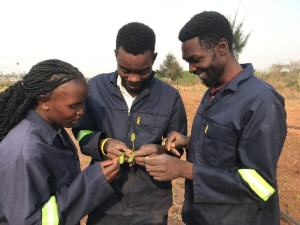
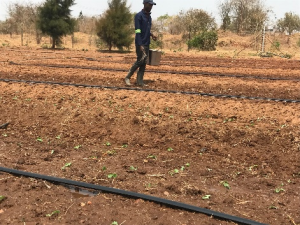
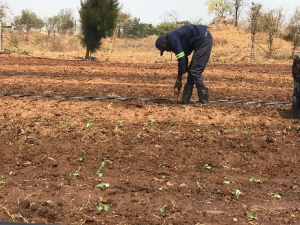
Their story began with modest tools—a horse pipe and a few buckets—that struggled to quench their fields’ thirst. Despite their efforts, their vegetable business faced challenges. However, armed with newfound knowledge, support, and experience from the ENABLE-TAAT Project, they embraced cutting-edge irrigation technologies: the Drip Irrigation System and the Rain-Horse Irrigation System.
The precision of the Drip Irrigation System, delivering water directly to each plant’s roots, maximized hydration while conserving water. Complemented by the Rain-Horse Irrigation System, tailored for closely spaced crops, their fields flourished as never before. Over 6,000 seedlings of rape, 2,300 cabbage seedlings, and 1,000 tomato seedlings thrived, supported by an additional 6,000 assorted vegetable seedlings, strategically planted for a sustainable rotational system.
Their ingenuity didn’t stop at cultivation; they identified eager markets, collaborating with shops like Melisa and other off-takers. Projections were promising: over 1,500 bundles of fresh vegetables per week, translating into a substantial income of $148 per harvest. Cabbages, tomatoes, and assorted vegetables yielded a monthly revenue of $783, meeting the burgeoning demand for fresh, locally-grown produce.
This inspiring tale showcases the power of determination, innovation, and the transformative potential of smart farming technologies. Yvonne, Mostern, and Golden’s journey from struggle to success stands as a testament to the impact achievable through innovative agricultural practices.